
Accommodation


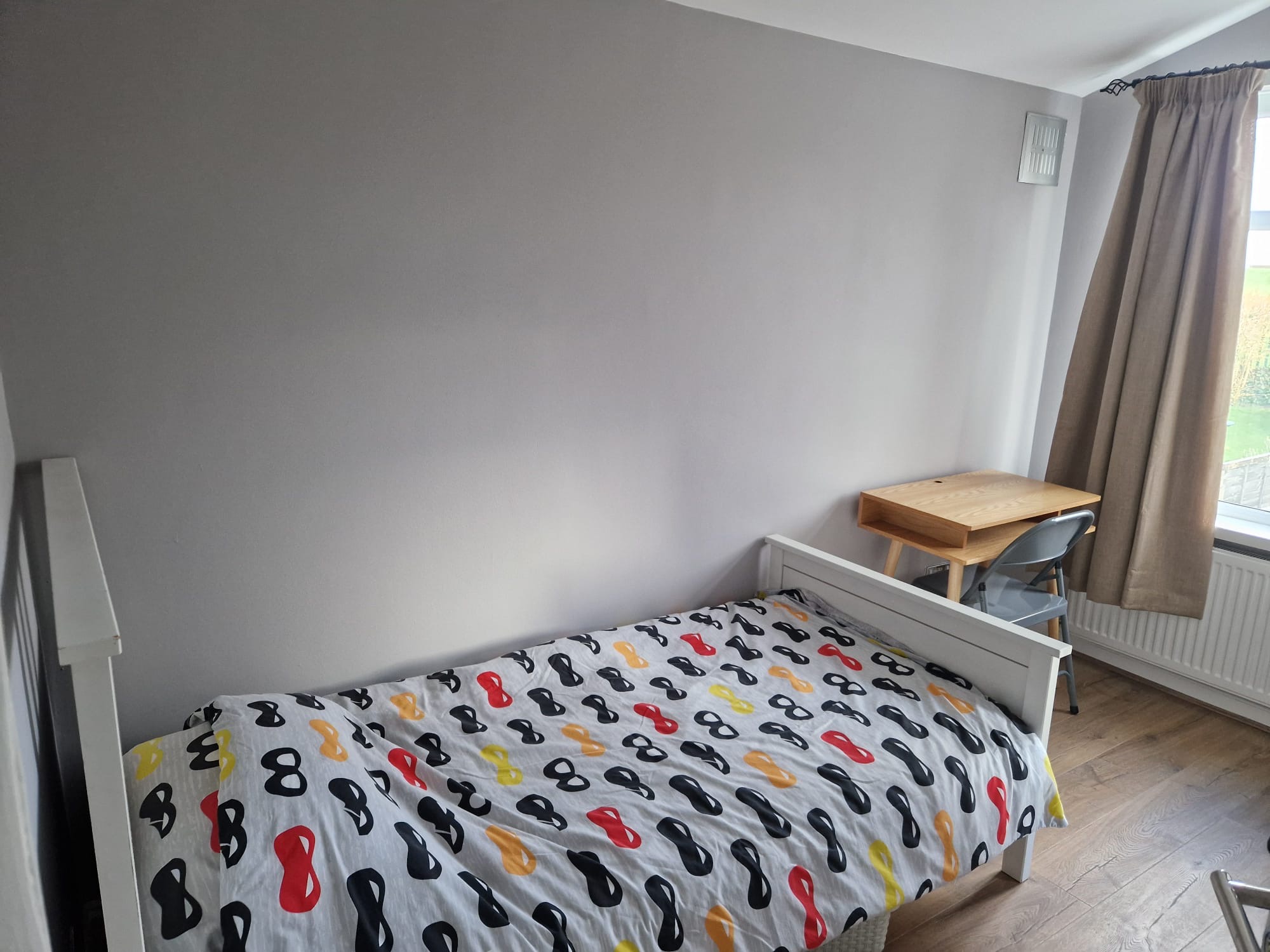

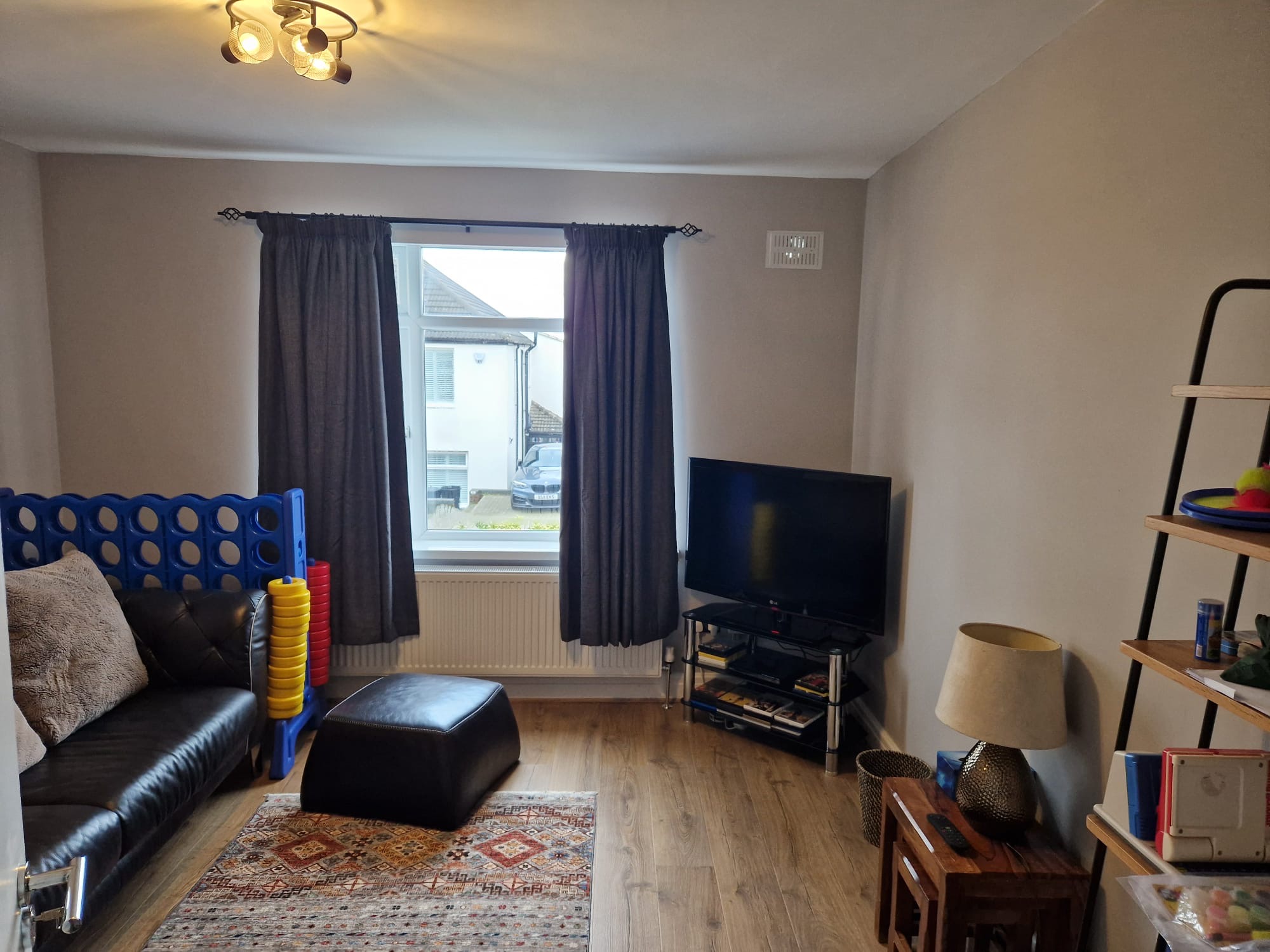

The purpose of our home is to offer safety, growth, and empowerment to a child by providing a safe, structured and a caring therapeutic environment to children who are living away from their parents or guardian, or where a foster placement is not currently considered appropriate.
The home provides periods of residential care for up to 3 young people of both genders, aged between 10 and 17 years old, offering both medium and long-term placements to children experiencing a need for support with their emotional, social and behavioural development.
The staff team works closely with the children living in the home, their parents/guardians, and key professionals involved in their care. The home ensures that those involved have a good understanding of the placement, any progress made, agreed tasks and goals, and how the child is experiencing the placement. The staff team work holistically with both children and, where appropriate, their families, to support and encourage them to learn life skills appropriate to their age and understanding and to help them achieve the best possible outcomes for adulthood.
Our home’s approach to working with a child is based on social and emotional skills, with an emphasis on the importance of building positive relationships and support tailored to individual needs and achieving the goals of individual care plans. This includes family reunification, preparation for independence, a stable nurturing environment providing long-term care until independence. The staff team works to ensure that every child feels safe and cared for, that each person is treated and accepted as an individual, and that they feel confident and comfortable in their surroundings to make a positive move forward.
Our home provides the following:
- Transport to school
- Support in school
- Support with homework
- Visits to teachers/tutors, open days and evenings
- Support to attend court
gang worker 1:1 sessions - Increased supervision and support to manage assessed risks
- Access to computer and internet
- Children’s meetings: preparation and support for statutory reviews and planning meetings
- Liaison and joint work with police, youth offending service, health, education and other professionals
- Attendance at child protection and child risk exploitation strategy meetings
- Action to ensure safety of a child who goes missing
- 1:1 therapeutic sessions
- 1:1 Mentoring
- 1:1 gang worker sessions
- Access to sensory room
- Access to indoor and outdoor activities